
ROA
Who We Are
The Racehorse Owners Association (ROA) sits at the heart of British racing, playing an instrumental role in shaping the future of the sport while enhancing the ownership experience and delivering meaningful benefits to our community of members.
Owners are the single largest investors in British racing, contributing more than £500 million annually to the sport. The ROA exists to ensure that investment is recognised, protected and represented at every level.
What We Do
Our mission is to shape and safeguard a sustainable future for racehorse ownership in Britain. We protect and promote owners’ interests, work to improve the ownership journey at every stage, and ensure the sport remains attractive, viable and rewarding for both current and future investors. Through industry representation and high-quality membership services, we retain and support existing owners while welcoming new ones into the sport.
Our work is guided by a clear strategic vision, focused on what matters most to owners. It is underpinned by four priorities:

The Voice of Owners
Championing owners’ voices and ensuring they are heard across the sport and beyond - from racing’s leadership to government and policy makers.

Improving Owners’ Experiences
Working collaboratively with racing’s stakeholders to enhance the ownership experience, both centrally within British racing and at racecourses across the country.

Delivering a Community and Enhancing Membership
Bringing owners together through events, communication and shared insight, while continually evolving ROA services and benefits to deliver tangible value.

Protecting and Promoting Ownership for the Future
Celebrating and championing all forms of racehorse ownership, from sole ownership to partnerships and syndicates, while working with the wider sport to safeguard its reputation, strengthen its appeal and ensure ownership remains sustainable and attractive for generations to come.
Governance
The ROA Board comprises of elected and appointed directors, according to the ROA’s Articles of Association.
The ROA is funded almost entirely from membership income. Members pay an annual membership fee and receive a host of wide-ranging membership benefits, that supports the process of purchasing a racehorse and the ongoing experience of racehorse ownership.
The ROA is a founder member of the The Thoroughbred Group, an organisation which represents owners, trainers, jockeys, breeders and stable staff. The ROA is also represented on a number of other Racing Bodies and Committees.
Meet the ROA Board
The ROA Board is comprised of up to nine Elected members and up to three Appointed members. Elected Board members are required to stand for re-election every four years. Most Board members are elected through an annual ballot amongst all members of the ROA, and there is an opportunity for the Board to co-opt members to widen the skillset and knowledge of the team.
Every six months individual Board Member’s compliance with the ROA’s Articles of Association is reviewed with respect to meeting attendance and qualifying owners’ criteria. We confirm that at present all current Directors are in full compliance.
To get in touch with any of the ROA Board members, please email [email protected]
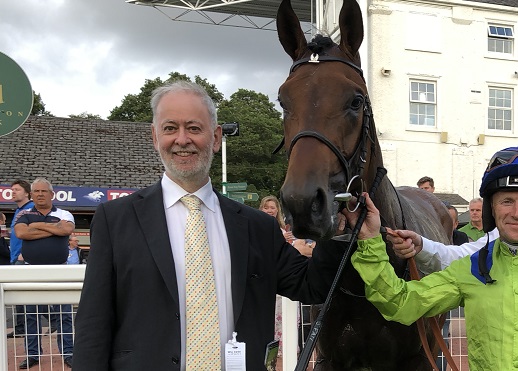
Chair: Dr Jim Walker
Joined Board 2023
Elected Chair 2025
Positions and companies: Chief Economist, Managing Director
Years as owner: 24
Role and responsibilities: ROA Nominations Committee
Meet the Board - Dr Jim Walker
What is the day job?
I am the Chief Economist at Aletheia Capital Ltd, an independent research provider for institutional investors based in Hong Kong.
Why did you get involved in racing politics?
I don’t really consider my Board position as getting involved in ‘racing politics’. All I am concerned about is getting a better deal for British owners. So many other jurisdictions seem to be able to balance the racing programme with a decent return to owners, why can’t we? Anything I can help with to reduce the costs to owners and increasing prize-money to them will have my fullest attention.
How has your background/upbringing influenced your views?
Having spent most of the last 30 years in Hong Kong, I have seen it go from a racing backwater (in 1990 the quality of HK racing was no better than Class 5 or 6 here today) to one of the premier racing jurisdictions in the world. It did so by concentrating on quality (and reducing corruption) and, principally, by rewarding the people that supply the product – owners.
Having a third-placed horse in a Hong Kong Class 5 (the lowest class) would pay training fees for at least three months. That is something that UK owners won’t even be able to comprehend. As an economist, we can’t just keep hoping that people will pile money into the sport without any hope of a positive return. That is the way to kill off the business.
The current situation leads to the inevitable sale of many of our top horses to other jurisdictions. That is what the treatment of owners leads to, and yet still some in the industry don’t understand why it is happening.
How long have you owned horses and how much success have you had?
I returned to live in the UK for a few years in 1998 and bought my first horse – with Linda Perratt – in 1999. I have had horses in the UK ever since, mostly with William Jarvis and Charlie and Mark Johnston. I had horses in Hong Kong with Caspar Fownes, John Moore and David Hall. As for success, not enough! But every owner is greedy for more. By far the best horse I have owned was Subjectivist, winner of the Gold Cup in 2021.
What do you love/hate about racing?
It might be an odd answer but what I really love is the puzzle of figuring out how best to a) buy a horse with potential and b) place one that has shown their form to win a race – that’s the hard part for some of them! I really like taking some money off the bookies as well – not that I have ever triggered any affordability checks!
I hate paying entry fees (not a feature of Hong Kong racing) and not knowing how much racecourses are being paid by the media to sell the rights to my horse to the betting public. How come the middleman in the generation of the product gets to keep all the money from selling someone else’s goods?
What are the immediate priorities for the sport?
Restructuring. Since joining the Board of the ROA I have become painfully aware of just how many fingers are in the racing pie and how many vested interests there are. It all leads to frustrating inertia. The whole racing management structure is broken and needs to be streamlined and re-engineered. If I have to hear “that’s the way it has always been” one more time as an explanation for why we can’t change the rules or change the system for the better, I think I’ll go mad.
What is your favourite day's racing?
Thursday, June 17, 2021, when Subjectivist won the Gold Cup at Royal Ascot.
Which horse would you most like to have owned?
Easy – Desert Orchid, although it would have been Roman Warrior on the Flat.
What is your racing ambition?
To breed a Group winner from Subjectivist.
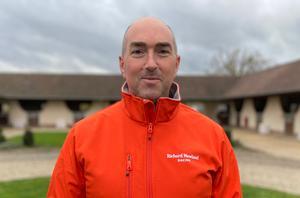
Dan Abraham
Co-Opted: 2025
Position and companies: Racehorse Syndicate Manager to Foxtrot Racing
Years as owner: 18
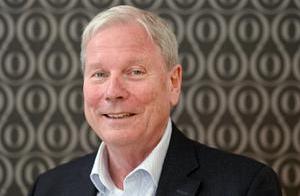
Stephen Appelbee
Joined Board: 2023
Positions and companies: Non-executive Chairman, Chief Executive and serial entrepreneur in the healthcare industry
Years as owner: 34
Role and responsibilities: ROA HR Committee, ROA Owners Working Group
Meet the Board - Stephen Appelbee
What is the day job?
I am a Business Angel, funding start-ups in the medical and medical device fields. I built up several companies in this area after I started working for myself in 2007, and when I sold them, I decided to invest again, becoming a Business Angel. It allows me to give something back to the industry, whilst also understanding the problems and pressures associated with start-ups. I am able to mentor those involved as well as contribute financially.
Why did you get involved in racing politics?
I have essentially retired, as I am no longer looking for new businesses to invest in. However, I missed being busy and wanted to get involved in something whereby my opinion would be sought and valued. I saw the article in Owner Breeder looking for perspective Board members and I saw it as my chance to give back to racing, which has been good to me. As an owner, I know what a huge investment we make in racing and that it is often not commensurate with the rewards on offer. Members pay their subscriptions in order for us to fight their corner – I hope to encourage us to stand up for ourselves and have a firmer voice.
How has your background/upbringing influenced your views?
I was brought up in Walthamstow, as the youngest of four children. My mother worked at Hackney and Walthamstow dog tracks – settling dividends for the Tote with mental arithmetic - long before computers did the job, so betting and gambling were around me as a child! I was brought up to respect others, treat everyone the same, and believe that I am no better or worse than anyone else – a perspective that has set me in good stead in the business world. I would like to think I am also carrying this into the racing sphere as well.
How long have you owned horses and how much success have you had?
After I relocated back to the UK from Dubai, I went racing for the first time with a work outing. It was that introduction at Newmarket’s July Course that made me fall in love with racing. Within a year I had joined a syndicate, and more rapidly followed! I first became a sole owner in 2000 with The Cottonwool Kid, who won his first race in my colours.
Probably my favourite horse has been Broke Road. He was only small, but he tried so hard and won nine out of his 46 races for me over jumps. On the Flat I have been lucky enough to have shares in the winners of Listed races with Russian Punch and Vintage Brut. But as with all owners, I have also experienced the loss of a horse, and the frustrations of needing to be patient with one.
What do you love/hate about racing?
I like the buzz of being at the races, whether it's Fakenham or Royal Ascot. I've had runners at both and they can equally give a great thrill. Not only is racing a great leveller, it also confirms my outlook that we are all equal on or under the Turf. I don’t necessarily hate anything about racing but do have the usual infuriation about prize-money – which I believe needs to be distributed more evenly – and on the various fees which always seem to hit owners. There is a balance to be struck, which means the owner does not always foot the bill.
What are the immediate priorities for the sport?
The sport must be properly financed. The recent levy problems have highlighted that there is only a finite income and prize-money will not be growing any time soon – yet costs keep going up. Unless you are at the top of the pyramid, owners get a poor return on their investment and it's our job to change that. Racing, and racecourses in particular, need to embrace and welcome syndicates – they are the future of ownership because of the rising costs of owning, and are where most sole owners start their journey.
Which horse would you most like to have owned?
Probably Antonin or Docklands Express; it was another one of those good days on track which lives long in the memory. It was the 1994 Racing Post Chase at Kempton and I got the forecast up!
What is your favourite day's racing?
My wife and I were invited to a corporate outing to Ascot. No one really had any idea about racing, so I showed them around and gave them pointers. I managed to tip the winners of the first five races and a horse that placed in the sixth and never had to buy a drink all day!
What is your racing ambition?
Simply to leave racing in a position better than I found it.
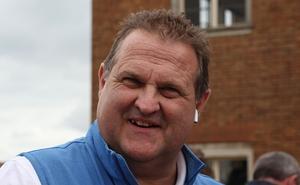
Tom Goff
Joined Board: 2019
Positions and companies: Director – Blandford Bloodstock, Epsom Downs Race Committee
Years as an owner: 19
Roles and responsibilities: Bloodstock Integrity Forum
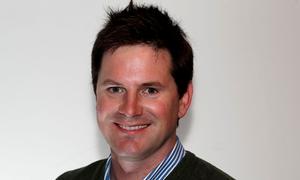
Sam Hoskins
Joined Board: 2025
Position and companies: Racehorse Syndicate Manager to Kennet Valley Syndicates and Hot To Trot Racing
Years as owner: 15
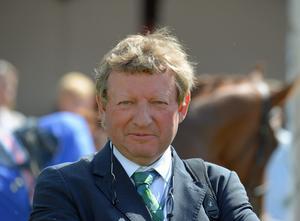
Mark Johnston
Joined Board: 2025
Position and companies: Director of Johnston Racing Ltd
Years as owner: 38
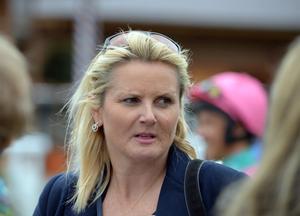
Gay Kelleway
Joined Board: 2020
Positions and companies: Trainer, company director Gay Kelleway Racing, Trainer and jockey
Years as owner: 30+
Role and responsibilities: ROA Owners Working Group
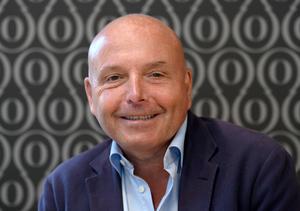
Charlie Parker
Joined Board: 2015
Elected President: 2020 - 2025
Positions and companies: Elected to Board 2015 Owner of Crimbourne Stud Limited and Director of various other leisure and insurance businesses. Chief Executive The Club Company and The Country Club Group.
Years as owner: 25
Roles and responsibilities: ROA representative on the Thoroughbred Group, BHA Board, BHA Audit Committee, BHA Nominations Committee, Gambling Strategy Group, ROA Finance Audit and Risk Committee, ROA HR Committee, ROA Nominations Committee.
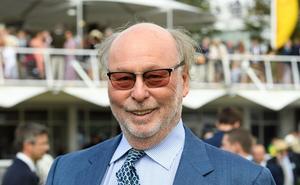
Chris Wright CBE
Joined Board: 2016
Positions and companies: Co-opted to ROA Board 2016. Co-founder and Chairman of Chrysalis Group 1968 to 2011. Previous TBA Board Member.
Years as owner: 35
ROA Articles of Association
Members can access the ROA's Articles of Association by downloading the PDF below:
 ROA Articles from October 2025.pdf
The ROA Staff
Our small team of ten are based at our offices in Reading (12 Forbury Road, Reading, Berkshire, RG1 1SB) and have a broad and extensive knowledge of the racing industry. We are always available to help, so please email the team on [email protected] with any queries or concerns you have.
Meet the ROA Team
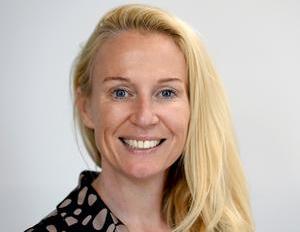
Louise Norman
Chief Executive Officer
Louise joined the ROA as part of the Executive Team in January 2020 after 20 years working for Weatherbys primarily in the VAT Service area before heading up the Racing Bank team as Senior Manager. Prior to this Louise worked for HMRC on the VAT inspection side, gaining an insight into the working world of VAT and Tax. Louise has enjoyed many years working for, and alongside, Racehorse Owners which enables her to understand the importance of Owner engagement with the ability to drive improvements in the overall customer experience.
Favourite horses: Denman and Gatflax
Chief Executive Blog

CEO Blog: Syndicates in focus
"maintaining high standards, transparency and confidence in this iimportant section of our sport matters"
CEO Column: The owner experience
Every owner at every racecourse needs to feel valued, recognised and motivated to stay involved.
ROA Blog – From the Chief Executive
ROA Chief Executive Louise Norman looks at why racing needs a top-down and bottom-up approach to support owners
The CEO Column: Celebrating ROA Members and Owners
Across the four days, ROA members were at the heart of the action

The CEO Column: Associate Membership launches
New initiative is designed to engage an under-recognised part of the ownership landscape
The CEO Column: A celebration of ownership
Shining a spotlight on success is how we can help strengthen emotional reward
The CEO Column: Looking back and focusing ahead
A year of listening, learning and laying foundations for meaningful progress
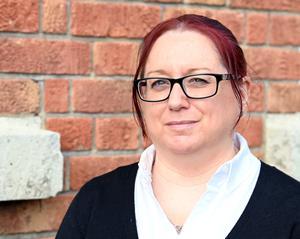
Keely Brewer
Digital / Tech Executive
Keely joined the ROA in 2004 after working for five years as a PA in the charity sector - two years at a charity which specialised in securing young people training and employment within the Creative industry, and three years at a charity which helped develop family policy within Government. She had previously studied English Literature and Business Studies at Roehampton University, before becoming an NVQ Assessor in Computer Skills and Customer Service.
Interested in racing from a young age, during her studies she spent weekends helping out at Terry Mills’ Epsom yard. Since joining the ROA she has become involved in racehorse ownership, taking part shares, and administering the partnerships, for two fillies with contrasting fortunes – Oaks runner Champagnelifestyle, and the mercurial Rich And Reckless.
Favourite horses: Dancing Brave, Champagnelifestyle, Rich And Reckless, Cornus, Norton and Monkerhostin.
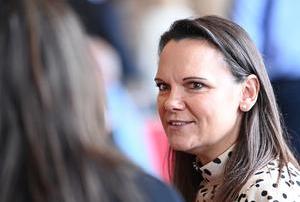
Kate Freeman
Head of Ownership
Kate has been with the ROA since October 2024, joining from the BHA where she worked for 3 years within the Strategy and Change team. Her professional background prior to joining the racing industry was spent working for two large multinationals, joining Mars Inc on their graduate scheme from university and then moving to Coca-Cola and remaining there for 21 years, gaining a breadth of experience across a variety of sales, commercial and marketing roles. Kate is passionate about horses and horseracing, is a keen rider and has some experience of working in a small National Hunt yard, albeit many years ago!
Favourite horses: Many Clouds, Thistlecrack, Lil Rockerfeller & Sire De Grugy.
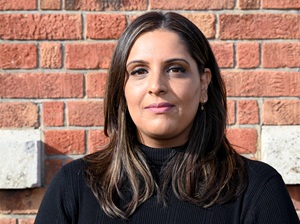
Davina Grewal
VAT Solution – VAT Senior Executive
Davina joined the ROA VAT Solution in June 2021, bringing 12 years of finance and business experience to the VAT solution.
After graduating from City University with a postgraduate diploma in law, Davina lived in Arusha, Tanzania for 7 years. During her time in Arusha she worked in the finance department of Simba Trucking Co Ltd, a road haulage company with a fleet of over 300 vehicles, hauling goods all over East Africa for multinational corporations. After gaining an insight into trading in East Africa, she formed Blacksheep Media, overseeing the day-to-day operations and finances.
In 2017, Davina returned to the UK with her family and now lives in South Oxfordshire.
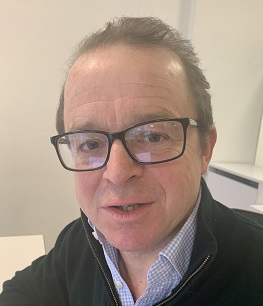
Steve Hatcher
Head of Finance
Steve joined ROA in late 2019 having previously worked for Countryside Alliance as Finance Director and latterly as Deputy Chief Executive.
Prior to joining ROA he worked for AEAT Plc and Serco Plc in a variety of finance roles having qualified as a Chartered Accountant with Deloitte some years previously. He has had a keen interest in racing and the racing industry for many years. Steve has owned small shares in some very modest performers both on the Flat and under National Hunt rules.
Favourite horses: include Dancing Brave, Inchcailloch, Best Mate, Pete the Postman [!] Frankel, and Many Clouds.
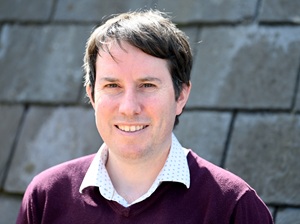
Glen Hillsmith
VAT Solution – VAT Senior Executive
Glen joined the ROA VAT Solution in July 2021. He is steeped in racing VAT having worked for the previous seven years at both the BHA Sponsorship and VAT desk, and Weatherbys VAT Services. Prior to this he lived and taught English in Budapest, and had an eight-year stint at Barclays International Trade Services.
His grandparents took him on first trip to a racecourse at the age of six, to their nearest jumps course, Worcester, and he has been hooked ever since.
Favourite horses: Big Buck’s, Inglis Drever, Sprinter Sacre
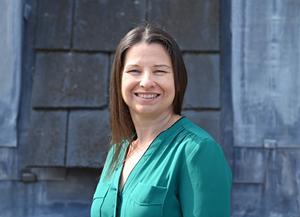
Sarah Holton
Ownership Executive
Sarah first was interested in racing aged 12, after watching her mum win money on Commander In Chief’s win in the Derby - twelve months later, after having backed every winner on the card, she was hooked for life!
A BSc (Hons) degree in Equine Science from Imperial College preceded two years work at Satellite Information Services (SIS) on the ATR Teletext service. After a year at Ladbrokes, getting the Ladbrokes Xtra service off the ground Sarah returned to SIS as a Data Co-Ordinator for a further five years. The opportunity to work for the ROA proved too good an opportunity to miss though, and Sarah has been a member of the staff since November 2011.
Favourite horses: The Minstrel (despite being before her time), Flake, Whitbarrow, and Kauto Star.
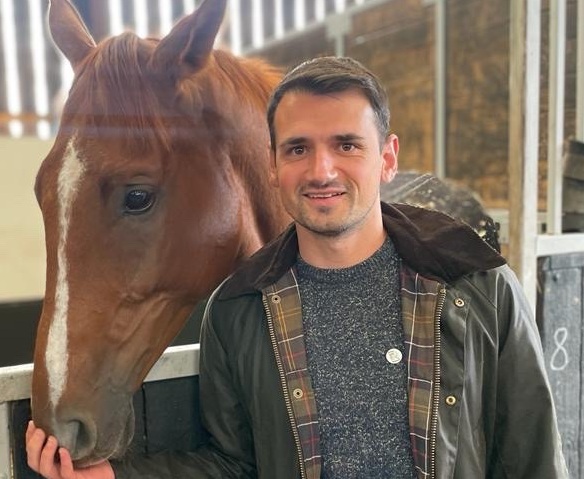
David Letts
Shared Ownership Lead
David joined the ROA in the newly created role of Shared Ownership Lead in January 2026. He has worked in numerous positions across racing and brings a wealth of experience with him. While at Great British Racing, he led on the sport’s promotion of shared ownership and is well-placed to take forward this important focus area for the ROA.
David is actively involved in shared ownership through a handful of club/syndicate horses.
Favourite horses: Altior, King Ulanda, Native River, Somersby
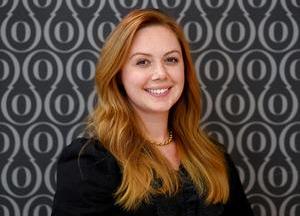
Rebecca Strange
VAT Solutions Administrator
Rebecca first joined the ROA in 2017 as subscriptions secretary having completed a BSc (Hons) degree in Equine Management at the Royal Agricultural University. For the past few years, she has worked with the ROA as a trainer liaison alongside O&T work at numerous racecourses, and now has moved over to the VAT team as a part-time VAT Solutions Administrator.
First interested in horse racing from a young age riding out at local racing yards, Rebecca now has her own retired racehorses who, along with various rescued animals, keep her busy outside of work!
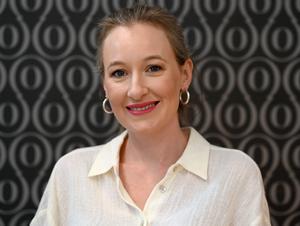
Roxie Walmsley
Financial Controller
Roxie joined the ROA in October 2023, bringing a knack for seamless organisation and a passion for efficiency to the team. With over a decade of experience as a senior Executive Assistant, she has a blend of professionalism, adaptability and a keen eye for detail. Throughout her career, she has earned a reputation for integrity and the highest standards of confidentiality.
Roxie is a relative newcomer to the joys and intricacies of horse racing but managed to back a 4/1 winner with her first ever bet on her first visit to a racecourse after joining the ROA.
Owner Relations
Owner Relations is a new function launched in 2025, with the primary objective of improving the retention of owners within British racing.
It is a cross-industry initiative looking holistically at the owner experience.
Owners are crucial, investing circa £500 million annually in training and racing fees alone – when you factor in the cost of buying a horse, the total value is far greater. Figures show that year after year, our total net owner number is declining – more owners are leaving than joining – especially true for those with sole ownerships. So how do we at least start to address this issue? To have even the smallest impact or influence here, we need to understand why it is happening.
Therefore, our vision is that anyone investing in ownership within British Racing is recognised by the industry, and key service providers are supported in retaining owners and their horses in British Racing.
All owners should feel like valued investors because like any customer, they have choices about where to spend their money. We need to understand why owners leave; at present we simply don’t know all the reasons and that is why a key objective for the new team, at least in the short-term, is to keep owners in racing.
Providing dedicated resources in this area was a key recommendation of a cross-industry working group, tasked with looking holistically at the owner experience. The future vision for the new team is that anyone investing in ownership is known to the industry and recognised for their investment, whether that’s through sole, shared or a combination of ownerships. The Owner Relations work will be led by the ROA, but the team will be advocating on behalf of all owners within British racing.
If you would like to speak to one of the Owner Relations team please contact Kate Freeman, Head of Owner Relations, at [email protected].
MEET THE TEAM
Kate Freeman
Head of Ownership
Kate has been with the ROA since October 2024, joining from the BHA where she worked for 3 years within the Strategy and Change team. Her professional background prior to joining the racing industry was spent working for two large multinationals, joining Mars Inc on their graduate scheme from university and then moving to Coca-Cola and remaining there for 21 years, gaining a breadth of experience across a variety of sales, commercial and marketing roles. Kate is passionate about horses and horseracing, is a keen rider and has some experience of working in a small National Hunt yard, albeit many years ago!
Favourite horses: Many Clouds, Thistlecrack, Lil Rockerfeller & Sire De Grugy.

Working to improve the Owner Experience
Kate Freeman, Head of Ownership at the ROA, reviews what the ROA Owner Relations team has been focused on
Retention of owners in focus
The Owner Relations team started work in January of this year - what have they been up to?
Our Partners
We have linked with another of organisations to underpin our members experience - and collaborate with the wider racing community.
Our Partners
Our Partners
Racing Welfare

We are delighted to partner with Racing Welfare - the registered charity supporting the workforce of British horseracing. They offer professional guidance and practical help to the stud, stable and racecourse staff whose dedication is vital for the well-being of racing.
View latest Bid to Give lot
Racing Welfare News
Latest Bid to Give ends Friday
Goodwood Revival – The Goodwood Mess Hospitality Package
Racing Welfare partnership goes from strength to strength
Members able to access exclusive opportunities, providing enhanced awareness of Racing Welfare’s services
Trust donations aid Racing Welfare
The Thompson Family Charitable Trust latest donation tops the £1m mark for Racing Welfare
Racing Welfare and ROA partnership reaps rewards
Following a second year of working together as official partners, the ROA and Racing Welfare continue to develop an their relationship ...read more
Over £30,000 raised for Racing Welfare in 2023
Another strong year for the ROA and Racing Welfare partnership
The Owner Breeder

Published by the ROA the magazine is sent to all members monthly. It is also available on digital platforms for download. The website continues to go from strength-to-strength with additional news, features and statistics.
View latest issueOwner Breeder News
July Issue of Owner Breeder now available
Lady Bamford's Daylesford Farm after their Classic success with Soul Sister
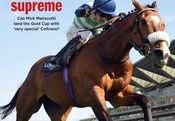
June issue of Owner Breeder now available
Mick and Janice Mariscotti look forward to the Ascot Gold Cup with Coltrane
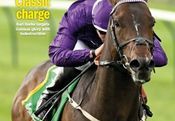
May issue of Owner Breeder now available
Karl Burke has high hopes for the early season Classics
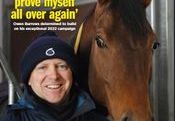
April Issue of Owner Breeder now available
Owen Burrows on building on a exceptional 2022 season
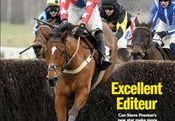
March issue of Owner Breeder now available
From Sire de Grugy to Editeur du Gite - Steve Preston in the spotlight
Tote
We are very pleased to be working with the Tote on the Owner-Sponsorship scheme. This benefit of membership is an invaluable tool for Owners, enabling them to register for and reclaim VAT on their ownership expenses.
We are also delighted to bring members a monthly update on all the latest developments with the Tote, as well as weekly pointers and special offers. Check out our Inside Track eBulletins for more information.
Tote News

Tote: Galloping ahead in 2024
Our partners at the Tote give us the lowdown on their activities during 2024.

World Pool continues to shine bright
So far this year World Pool days have generated a total turnover of over £346 million.
UK Tote and Hong Kong Jockey Club sign landmark five-year deal
The new terms will enable the UK Tote Group and HKJC to continue to build on the existing collaborative partnership which has developed significantly since the purchase of the Tote by UK Tote Group in October 2019
World Pool logos to be carried by Tote-sponsored horses
On World Pool days in the UK, Tote-sponsored owners will now be asked to carry the World Pool logo on the chest of their silks
Record World Pool day at Newmarket
Newmarket on 2,000 Guines day saw a record first World Pool day in the British racing calendar for 2023.
Venatour - Racing Around The World

We have teamed up with Venatour - Racing Around the World to provide both ROA and Racegoers Club members with bespoke horseracing tours to get into the heart of the racing action and
enhance their membership experience. We have an exciting line up of exclusive racing tours, high-end racing experiences, and a personal discount on all Venatour overseas tours.
www.racingaroundtheworld.co.uk/
5% discount on Racing Around The World trips
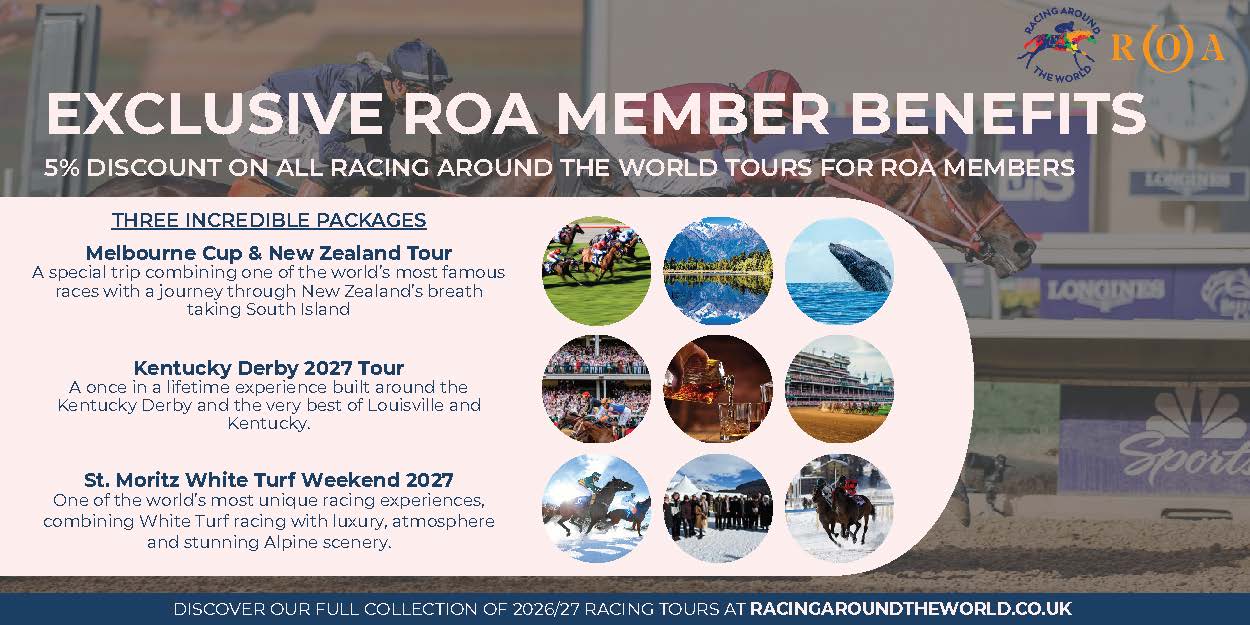
ROA Members can discover the World of Racing with Venatour
The ROA is delighted to announce our renewed partnership with sports travel specialists - Venatour Racing Around the World, offering members exclusive savings on some of the world's most sought-after racing experiences.
Through this partnership, ROA members can enjoy exclusive discounts on a range of tours, making your bucket-list racing adventures even more accessible. We are delighted to offer members a 5% discount all overseas racing tours, which include:
- Melbourne Cup and New Zealand Cup tour
- Cape Town Tour, combining world-class racing and international cricket
- Kentucky Derby Tour
- St Moritz White Turf Weekend
Whether it's experiencing the spectacle of the Melbourne Cup, discovering New Zealand's vibrant racing scene, enjoying the unique blend of racing and cricket in South Africa or the glamour of St Moritz's White Turf these tours offer unforgettable opportunities for racing enthusiasts.
A History of the ROA
Read Jackson Parker’s 'A History of the ROA' for further information about the background of the Association.
A History of the ROA
The McAlpine years
The first president of the association, Sir Malcolm McAlpine (pictured), nurtured the organisation through its first 15 years of relative quiet. The association was marketed almost solely by word of mouth, membership rising slowly to 700 subscribing members during the period. The low membership meant the association could not be truly representative of owners’ interests, and, as a result, was largely disregarded by the Jockey Club.
Sir Malcolm's son, Sir Robin McAlpine, took over as president just as the association was forced to confront the effects of legalised off-course betting in 1960. Despite the continued monopoly on pool betting held by the Tote, the changes in gambling laws were to be seriously influential on the funding of racing. As all other sectors of the racing industry scrambled to re-organise and re-structure funding, little consideration was given to the needs of the owners who provided the horses, the real core of the industry. The association was suddenly faced with a multitude of issues. Most prominent and long running among these was the issue of prize-money.
In the early 1960s the association leapt into action, calling for an increase in second and third place prize money, highlighting the prohibitive cost of travelling horses long distances and pressurising Weatherbys to operate reasonable Sunday opening hours to provide owners with the latest possible information on running plans and the going.
Despite this increased activity, membership of the ROA only managed to reach above 800 at the end of Sir Robin McAlpine's term as president in 1969. The Jockey Club had attempted to further stunt the growth of the association by electing Sir Robin to their club in 1961, confounding his efforts with the burden of split loyalty.
ROA Progress in the Sixties
Yet some success was achieved during these years through co-operation with the Racecourse Association. They agreed to allow owners free parking, luncheon facilities and other such concessions. Some individual racecourses held out against these changes, but this was an important symbolic victory for the ROA, establishing that owners were not simply another form of customer, but an integral part of the racing industry.
During this period the ROA also collected, organised and issued its own statistics on racing, including details of ownership costs and prize-money values at racecourses. Without the involvement of any other part of the racing industry, and completed on a tiny budget, this move proved extremely popular with the members.
In the mid and late 1960s, the ROA continued to apply pressure on the Levy Board for prize-money to be spread out over more races, rather than to be so heavily concentrated in feature races. The association also campaigned for lower entry and forfeit fees.
In 1968, the association was drawn into a confrontation when the Levy Board insisted on keeping a range of new proposals about prize-money allocation confidential, requesting the support of the association despite excluding it from these financial decisions. Even after an urgent, high-level meeting between Sir Robin and Lord Wigg (pictured), head of the Board at the time, the Levy Board refused to change its position.
Marketing Campaign Results in Higher Membership
At the beginning of the 1970s, the association finally embarked on a proper marketing campaign, complete with advertisements in The Sporting Life. The ROA also began publishing its own magazine, The Racehorse Owner, which proved a good communication tool. As a result of these efforts, membership almost doubled by 1971, during John Baillie's presidency, and finally broke through the 3,000 membership barrier in 1976 under the leadership of Sir David Sieff. At the time, the association calculated that it represented nearly 6,000 racehorses in training.
This increased membership, which gave the association greater clout, brought an era of constant conflict with the Jockey Club, which lasted right up until the governance of racing was re-structured in 1993.
The ROA started to demand representation on the Levy Board, better management of the Tote and more contribution to owners’ costs through better prize-money, publicly claiming that the Jockey Club had totally failed to look after owners’ interests. This confrontation first came to a head in 1973 when the Jockey Club was openly dismissive of the association.
Jockey Club and Levy Board Ignore ROA Concerns
Despite the ROA finally securing reassurances from the then new Senior Steward of the Jockey Club, Lord Leverhulme, that the Club would listen to the association, this ultimately proved hollow. As a result, the association realigned its aims towards direct representation of owners on the Levy Board, considering the current model of Jockey Club appointees as having failed. The association also started to take up the issues of proper racecourse maintenance, and better pay and conditions for stable workers, in an effort to head off a potential labour crisis in the industry.
The ROA's efforts during this period were also closely connected to the financial concerns of the whole racing industry. The introduction of VAT in 1973 posed a new set of economic pressures and the association, along with the rest of the industry, was deeply involved in negotiations with the Government and HM Customs and Excise over the whole issue of how VAT would affect racing and bloodstock.
The association also started pressing heavily for higher minimum prize-money values but, as this was largely ignored by the Jockey Club and Levy Board, the ROA turned to a deeper investigation into the financial state of racing.
British Racing: Highest Betting Turnover, Lowest Returns
In the mid 1970s, under the presidencies of Louis Freedman and later, Christopher Collins, the association commissioned a report on factors affecting the volume of betting, commissioning the International Racing Bureau to compare British racing with that of other countries. On discovering that British racing attracted possibly the highest betting turnover in the world, but, comparatively, produced the lowest returns to racing, the ROA went to some lengths to impart this information throughout the industry.
This action may have helped galvanise the Royal Commission on Gambling in 1976, which largely came out in support of more prize-money for owners. The ROA joined with the Racecourse Association, the Thoroughbred Breeders Association, and a host of other sectors of the racing industry, to present a submission to the Royal Commission on Gambling in which they proposed that the Jockey Club's control of racing be discontinued. The submission suggested a British Racing Board with proper representation covering all constituents of the industry. Although not successful, this idea was years ahead of its time, influencing the actual British Horseracing Board which was established in 1993.
Conflict with the Jockey Club continued throughout the 1980s, and the ROA found it difficult to make owners’ concerns heard when constantly obstructed. The association was denied a voice on the Sunday Racing Working Party in 1984, and snubbed on various other occasions.
Frustrated by lack of progress, the association adopted a new policy, taking the view that building a closer relationship with the Jockey Club might pay off in the long-run and allow the association more influence over the control of racing. At the same time, the ROA continued its work in protecting owners’ interests in other areas of the industry, holding regular meetings with the Racecourse Association, representing owners’ interests in relation to the growing issues surrounding televised racing, both domestically and by satellite, and also setting up a committee specifically to address the problem of prize-money distribution.
British Horseracing Board and the Savill Years
The creation of the British Horseracing Board in 1993 finally gave the ROA both a legal and practical voice in the control of racing. But a new era of racing management meant new challenges for the ROA. In addition to continuing with the decades-long pressure for better minimum prize-money levels, the association became involved in the British Horseracing Board's efforts to establish a credible long-term financial plan for racing. Under the leadership of Peter Savill, the ROA supported the Board in bringing pressure on the Government to ensure a much greater return to racing from betting revenue.
After his term as president of the association ended in 1998, Peter Savill went on to become Chairman of the British Horseracing Board. The previous Chairman, Lord Wakeham, resigned from the position only 24 hours before the BHB's annual general meeting, in protest against Savill's plans for the better financial management of the racing industry.
Savill's later plans, to base the funding of British racing on database rights, would, in time, have fostered a healthier relationship between the racing and betting industries. The proposal received the enthusiastic support of all the racing constituents including the ROA. However, these plans were ultimately defeated by a ruling in the European Court, leaving the industry unable to charge for database rights and struggling to find new ways to solve pressing financial issues. As a result, the Levy Board was re-instated.
Turn of the Century Growth
Since the turn of the century, the ROA’s membership peaked at 7,600 members in 2009. It has been involved in the racing industry's continuing efforts to acquire the Tote from the government, the association attempting to ensure it would have representation on whatever board or trust ended up controlling the Tote. Other developments over the last decade of the association include the publishing of the highly successful Thoroughbred Owner Breeder magazine, securing of the various owner-sponsorship schemes for ROA members, and the creation of the Horsemen's Group. This body, made up of owners, trainers, breeders, jockeys and stable staff, is now playing an increasingly important role in running the industry.
In recent years, the association has publicly expressed the need for the racing industry to work together towards the common good, to leave the factionalism of the past behind for the sake of racing as a whole. In the wake of the recent severe Levy Board expenditure cuts, this may be more relevant than ever as the racing industry adapts to face the needs of a world where the main source of funding switches from the statutory Levy to commercially-based media rights.
By Jackson Parker