

Member of the month: Ed Seyfried
Ed Seyfried, Chief Executive of Old Gold Racing, has introduced thousands of people to racehorse ownership. Central to the syndicate’s philosophy is a commitment to responsible ownership and ensuring every horse enjoys a meaningful life after racing.
Why is aftercare such an important part of Old Gold Racing?
Every horse has an entire lifetime, not just a racing career. At Old Gold Racing, we believe owners have a responsibility to support their horses beyond the finish line. Occasionally, a member will say they’re not renewing because a horse hasn’t been successful. My first thought is always that the horse still needs feeding, caring for and a future. That’s why aftercare isn’t an optional extra for us – it’s part of being a responsible owner.
When do you start planning for a horse’s retirement?
We start planning well before a horse retires. Alongside our trainers, we look at each horse’s temperament, attitude and physicality to understand what it might enjoy after racing. That means when the time comes, we already have a good idea of the most suitable second career, whether that’s hacking, team chasing or something else.
How do you decide what the right pathway is for each horse after racing?
We work closely with Sally Taylor at Blenheim Farm, a renowned rehabilitation yard, who assesses each horse’s temperament and physical ability to help determine the most suitable second career. Wherever possible, we want our horses to go to active homes. Thoroughbreds thrive on stimulation and having a job to do. Through our own extensive network, we find each horse the right home for its next chapter.
How do you involve syndicate members in a horse’s life after racing?
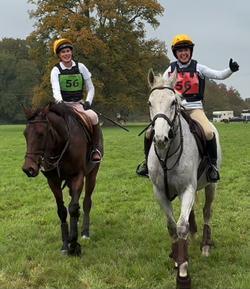
Our members don’t stop following a horse when it retires. Many continue to watch former Old Gold horses competing in team chasing with Waverley Equestrian and are always welcome to visit them there. We’ve even had an Old Gold team, captained by Francesca Cumani, made up of former Old Gold horses. It’s a great way for owners to remain part of their horse’s story and follow them in their second career.
Do you find prospective and existing members want to understand what is going to happen to your horses once they retire from racing?
Yes, absolutely. Our members want to know what happens to our horses after racing, and rightly so. As a public-facing syndicate, we’re accountable to our members and wider audience, so it’s important we back up our words with actions. Our members are passionate about seeing every horse go on to a meaningful life after racing, and that’s something we care deeply about too.
What advice would you give to owners before a horse’s retirement?
Plan ahead – and involve your trainer. They’ll have a good understanding of your horse’s personality, temperament and what it might enjoy after racing. There are plenty of options, from specialist retirement centres to active second careers like team chasing or hacking. The important thing is finding a home that suits the horse’s physical and mental needs. As owners, we’re responsible for making sure every horse has the best possible future.
What does responsible ownership mean to you and Old Gold Racing?
Responsible ownership means taking responsibility for a horse for life, not just for its racing career. We always retain first refusal if one of our retired horses changes hands, so we can ensure it’s moving to the right home. Retraining of Racehorses is our core charity partner, allowing syndicate owners to support former racehorses through one-off donations or by dedicating a percentage of their race winnings, because supporting life after racing is a fundamental part of responsible ownership.
Quickfire round
Best thing about shared ownership?
The sense of community. You meet fantastic people, make lifelong friends and have a great time at the races together.
One welfare initiative every owner should support?
Support RoR and remember that responsible ownership means caring about your horse for its entire life, not just while it’s racing.
Who is your desert island racing companion?
I would take Braqueur d’Or, a retired racehorse who lived in my garden during lockdown. We only had a couple of minor fallouts during those long 2020 months, so we’d be well practised for island life!